South Florida Privacy Hedge Specialists

Is Clusia toxic to animals?

What's actually known about Clusia and pet, horse, and livestock safety. Not medical advice. If your animal ate any plant material and is showing symptoms, call a veterinarian or the ASPCA Animal Poison Control hotline at 888-426-4435.

Same-day replies Miami · Fort Lauderdale · West Palm Beach Never sold or shared
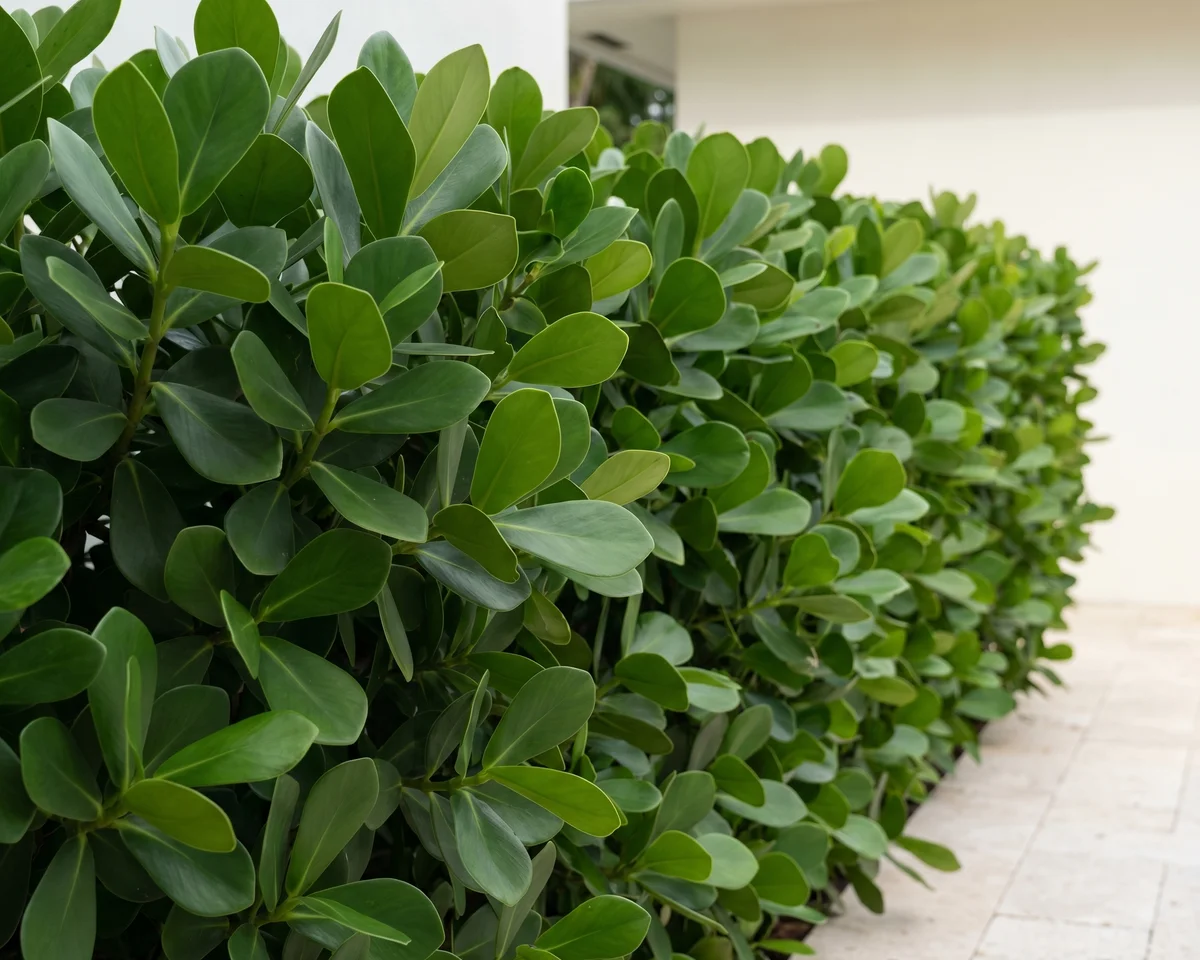
Close-up of dense Clusia foliage showing leaf texture and natural form, used as a reference for the kind of plant material homeowners are asking about when researching toxicity to animals.

The honest short answer.

Clusia is generally considered low-toxicity, but every animal and situation is different.

Mr. Clusia is a privacy hedge specialist, not a veterinary clinic. This page summarizes what is publicly known about Clusia and animal safety based on horticultural references, university extension materials, and the ASPCA's published toxic plants database. It is informational, not medical advice. If your animal has eaten plant material and is showing any symptoms, call your veterinarian or the ASPCA Animal Poison Control Center at 888-426-4435.

With that disclaimer up front, here is the practical picture. Clusia rosea and Clusia guttifera are not currently listed on the ASPCA's toxic plants database for dogs, cats, or horses. Both species are widely planted as residential and commercial hedges across South Florida, including in HOA communities, near family pools, and along property lines shared with neighbors who keep pets and livestock.

The honest caveat is that Clusia plants produce a sticky white latex sap when leaves or stems are damaged. Latex sap from any plant can cause mild irritation if ingested in quantity, especially in animals with sensitive digestive systems. Clusia also produces small flowers and, on mature plants, small green-to-purple fruit. The fruit is technically eaten by some birds in the wild as part of seed dispersal, but it is not a food humans or pets are encouraged to eat.

The rest of this page covers what we know by animal, what to do if ingestion happens, and where to go for definitive answers.

What we know about Clusia and animal safety.

The publicly available facts that informed homeowners and vets typically work from.

Not on the ASPCA toxic plants list

As of this writing, Clusia rosea and Clusia guttifera are not included on the ASPCA's published list of plants toxic to dogs, cats, or horses. Many widely planted ornamental hedges are on that list. Clusia is not. The ASPCA database is the most commonly cited reference for pet plant safety in the United States.

Latex sap is the main caution

When Clusia leaves or branches are broken, they release a sticky white latex sap. The sap can cause mild skin or mouth irritation in some animals if it makes direct contact in quantity. The sap is one reason commercial growers wear gloves when pruning, and it is the most common honest reason for caution around the plant.

Berries are produced but not in volume

Mature Clusia plants produce small green fruit that ripens to a darker purple before splitting. The fruit contains seeds and a sticky pulp. Wild birds in South Florida do eat these fruit, which is part of the natural seed dispersal cycle. Pets and horses do not typically encounter Clusia fruit in volumes that would cause significant ingestion.

Flowers are small and seasonal

Clusia flowers are pale white to pink, small, and produced seasonally. They are not a feature most animals show interest in. There is no widely reported issue with pets or livestock eating Clusia flowers, and no toxicity-specific entries describe them as hazardous in standard veterinary references.

No major reported veterinary cases

Veterinary toxicology databases and pet poison control case literature do not currently list Clusia as a recurring source of confirmed toxicity reports. This is a positive signal but not the same as proof of total safety. Lack of case reports usually reflects rarity of meaningful exposure, low toxicity, or both.

Every animal is an individual

General plant safety information cannot replace an assessment of your specific animal. Small dogs, very young or very old animals, animals with allergies, and animals on medications can react differently to plant material than the average case. When in doubt, call your vet rather than trust a general page.

What to do if your animal ate Clusia.

A practical, no-panic checklist. Always defer to your veterinarian or the ASPCA hotline if symptoms appear.

1

1. Note what was eaten and how much

Identify whether the animal chewed leaves, ate flowers, swallowed fruit, or made contact with sap. Estimate the rough quantity. A nibbled leaf is different from a swallowed handful of fruit. Veterinarians and poison control staff need this information to assess risk quickly and accurately.

2

2. Watch for symptoms over the next few hours

Common signs of plant-related GI upset include drooling, lip-licking, vomiting, diarrhea, lethargy, or unusual behavior. With Clusia specifically, symptoms are uncommon but possible if a large quantity was ingested or if the animal has a sensitive digestive system.

3

3. Call your vet or the ASPCA hotline if symptoms appear

If your animal shows any concerning symptoms, call your veterinarian. The ASPCA Animal Poison Control Center is available 24/7 at 888-426-4435 for immediate guidance. There is a consultation fee, but the team has experience with pet plant exposure cases and can advise on next steps.

4

4. Do not induce vomiting unless instructed

Inducing vomiting at home can do more harm than good with some plant exposures. Always wait for instructions from a veterinarian or poison control before taking that step. For most low-toxicity plant exposures, monitoring and symptomatic care are the standard recommendation rather than aggressive intervention.

Clusia and animal safety, in detail

Clusia and animal safety, explained in detail

Most homeowners researching Clusia toxicity are doing the right kind of due diligence. Plant safety questions are common when adding a new hedge near a yard with pets, livestock, or visiting wildlife. The honest summary is that Clusia is widely planted in residential South Florida settings precisely because it does not have a record of toxicity issues. The rest of this section covers the picture by animal, what is and is not known, and how to think about exposure realistically.

Is Clusia toxic to dogs?

Clusia rosea and Clusia guttifera are not currently listed on the ASPCA's database of plants toxic to dogs. Most installed Clusia hedges in South Florida sit in yards with family dogs, and the plant does not have a recurring presence in veterinary toxicology case literature for dog exposures. Dogs that chew leaves out of curiosity may experience mild GI upset because of the latex sap, similar to chewing many ornamental plants, but serious reactions are not commonly reported.

The practical advice is the same as for any non-food plant: discourage your dog from eating ornamental foliage, monitor if you suspect a chew event, and call your vet if symptoms appear. A puppy that nibbled a leaf is generally not an emergency. A dog that consumed a large quantity of any plant material warrants a call.

Is Clusia toxic to cats?

Clusia is also not currently listed on the ASPCA's toxic plants database for cats. Cats are usually less interested in chewing hedge foliage than dogs are, and the broad waxy leaves of Clusia do not appeal to most cats the way grasses or some softer plants do. Indoor cats with access to outdoor Clusia hedges rarely interact with the plant beyond passing through it.

If a cat does chew Clusia and shows symptoms like drooling, vomiting, or lethargy, the same call-the-vet rule applies. Cats are more sensitive than dogs to many medications and substances, so a cautious approach is warranted whenever a cat shows any symptoms after a plant exposure, even if the plant is generally considered low-risk.

Is Clusia toxic to horses?

This is one of the most common questions we get from homeowners with horses on the property or with neighbors who do. Clusia is not currently listed on the ASPCA's toxic plants database for horses, and there is no recurring presence in equine toxicology case literature. The University of Florida IFAS plant safety references do not flag Clusia as a known hazard for horses or other livestock.

Horses are generally selective grazers. They prefer grass, hay, and palatable forage. Ornamental hedge foliage is not high on the typical horse's interest list, especially when normal feed is available. Horses turned out near a Clusia hedge are far more likely to ignore it than to graze it. The latex sap is also bitter, which discourages repeat chewing.

That said, a bored horse, a hungry horse without access to enough feed, or a curious foal can chew almost anything within reach. If a horse on your property has access to a Clusia hedge, the safest setup is the same as with any landscape plant: keep adequate forage available, fence the hedge if necessary, and watch for any unusual behavior or symptoms. As with all animals, call your veterinarian if anything seems off after potential plant exposure.

Is Clusia toxic to birds and other wildlife?

Clusia rosea is sometimes called the autograph tree, and its small fruit is part of the natural seed dispersal cycle for native and migratory birds in tropical and subtropical environments. Birds eating Clusia fruit is the normal outcome rather than a hazard, and this is one of the reasons the plant has spread naturally across parts of South Florida and the Caribbean. Backyard chickens, exotic birds kept as pets, and other captive species should still be evaluated case by case with a vet who knows the species, since their digestive systems vary.

Why most homeowners do not run into issues

The combination of low toxicity, bitter latex sap, broad leathery leaves that do not appeal to grazers, and small fruit that is mostly eaten by birds means that Clusia hedges sit in millions of South Florida yards without producing animal exposure incidents. The plant has been a workhorse residential hedge in the region for decades. Its presence in HOA-approved species lists across Miami-Dade, Broward, and Palm Beach counties is itself an indirect signal: HOAs are typically risk-averse about anything that could create liability for residents, and Clusia clears that bar consistently.

Authoritative sources to check

For homeowners who want to verify the picture above with primary sources, the most useful references are:

  • ASPCA Toxic and Non-Toxic Plants database — searchable by species and animal type. The standard reference for pet plant safety in the United States.
  • ASPCA Animal Poison Control Center — 888-426-4435, available 24/7. Consultation fee applies.
  • University of Florida IFAS Extension — regional plant safety references for Florida residents.
  • Your local veterinarian — the only source qualified to advise on your specific animal in your specific situation.
  • Pet Poison Helpline — 855-764-7661, also 24/7 with a consultation fee, for veterinary-grade plant exposure guidance.

If a definitive answer matters for your situation, especially with horses, exotic species, or animals with health conditions, defer to one of the veterinary sources above. A general-information page like this one is a starting point, not a substitute for professional advice on your specific animal.

Why we still get the question often

Plant toxicity questions come up most often in three situations: homeowners moving into a property that already has a Clusia hedge, homeowners adding a hedge near a kids-and-pets-active backyard, and homeowners with horses or other livestock on adjacent property. We respect the question every time. Better to ask before installing than after a vet bill, and the honest answer is reassuring: Clusia has a strong safety profile in normal residential use, and the precautions that make sense for any landscape plant make sense here too.

What we tell homeowners during the quote

If animal safety is a concern that is shaping your hedge decision, mention it during your quote walk. We will share what we know, point you at the ASPCA database, and recommend a vet conversation if you want a definitive answer for your specific animal. We will not push a hedge if a homeowner is uneasy about it. We have other privacy plant options to discuss, and the right plant is the one you can live with comfortably for years.

Clusia and animal safety, quick answers.

Common questions from homeowners with pets, horses, or livestock on the property.

Clusia rosea and Clusia guttifera are not currently listed on the ASPCA's database of plants toxic to dogs. Mild GI upset is possible if a large quantity is eaten because of the latex sap, but serious reactions are not commonly reported. Call your vet if your dog shows symptoms after a chew event.

Plan a hedge that fits your property and your animals.

Tell us about your yard, your pets or livestock, and the privacy you want. We will share what we know, defer to your veterinarian where it matters, and quote a hedge plan you can feel good about.