South Florida Privacy Hedge Specialists

Sick hedge, diagnosed honestly.

Yellow leaves, thinning sections, bare spots, and slow decline are all fixable problems if you catch them early. Here is how we diagnose a struggling hedge in South Florida, and when it is time to rescue or replace.

Same-day replies Miami · Fort Lauderdale · West Palm Beach Never sold or shared
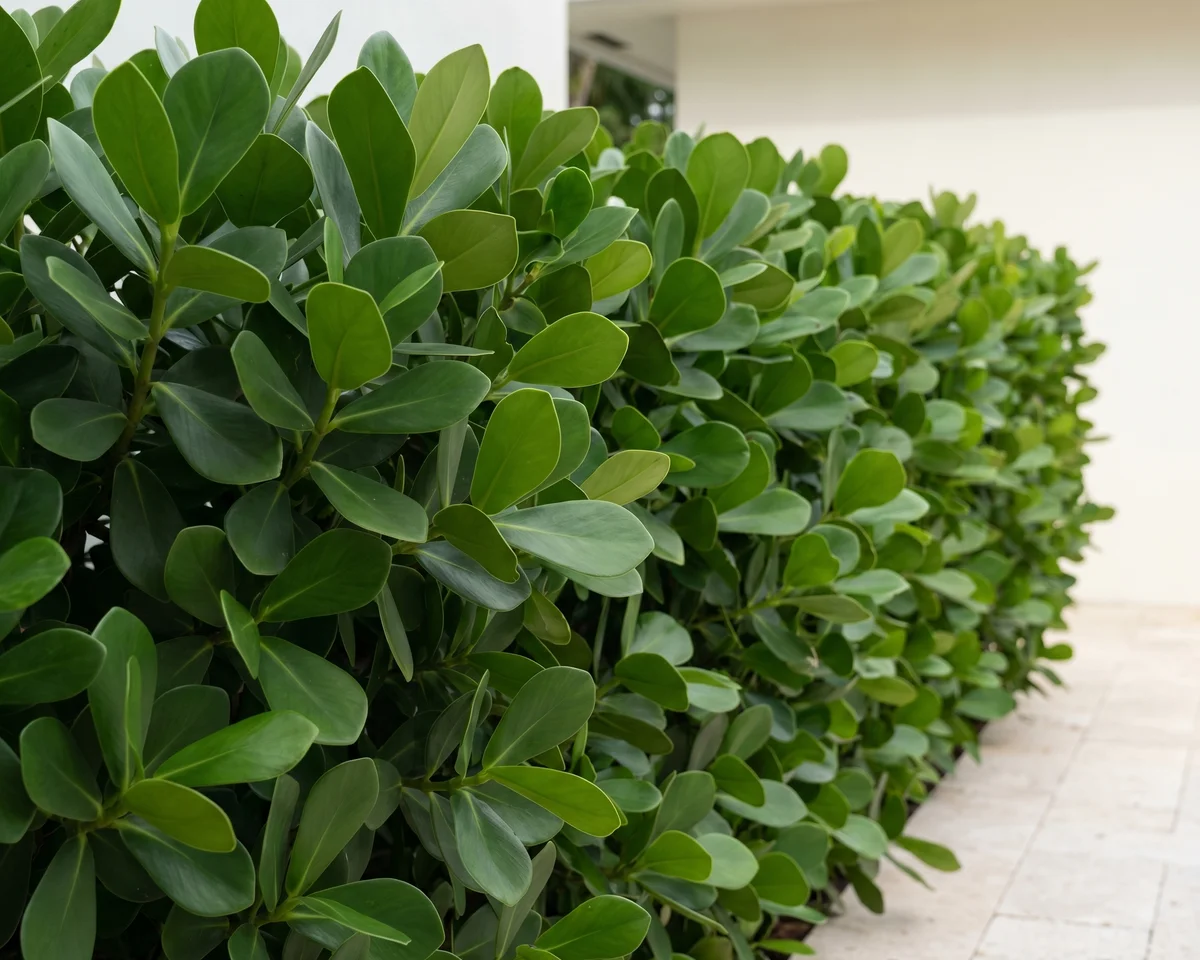
Close-up of saturated, glossy Clusia foliage used as a reference point for what a healthy hedge should look like when comparing against a sick plant.

Most sick hedges are not hopeless.

Diagnosis first. Expensive replacement later, if at all.

A hedge that is yellowing, thinning, or losing leaves is almost always reacting to something. Water, soil, pests, sun, or the way it was installed in the first place. The job is to figure out which one, in what combination, and whether the plant can recover in place.

Most of the sick hedges we walk are fixable. Some need adjustments to water and care. Some need soil work. Some need targeted pest treatment. A smaller share need replacement, and we will tell you that honestly instead of selling a rescue that will not hold.

This page walks through how we diagnose a struggling hedge in Miami, Fort Lauderdale, and West Palm Beach, the causes that show up most often, and how to decide what is worth fixing.

The symptoms we diagnose most often.

Each of these tells a different story about what the hedge actually needs.

Yellowing leaves across the hedge

Broad yellowing usually points to water or nutrition problems. Consistent overwatering, poor drainage, or a soil that cannot hold the nutrients Clusia and Podocarpus need in sandy South Florida soil are the common culprits.

Thinning in specific sections

When one section thins while the rest of the hedge holds up, the issue is almost always local. Shade from a tree, an irrigation head that stopped working, a root zone compacted by foot traffic, or pest pressure isolated to that area.

Bare spots along the run

Bare spots that keep growing usually signal a dying plant rather than a struggling one. The right fix is a targeted replacement of the failing plants with matched starters, not a blanket treatment of the whole hedge.

Browning or crispy leaves

Crisp, brown leaves on new growth often point to salt, sun, or wind stress. On older growth, browning is more likely a nutritional or root issue. The pattern matters more than the color.

Sticky residue or black coating

Honeydew and sooty mold are a pest signal, especially on ficus hedges where whitefly damage leaves plants sticky and covered in a black film. Treatment is possible but often not worth it on a long-compromised hedge.

Slow or stalled growth

A hedge that stopped putting on new leaves can be suffering from a root problem, a soil problem, or compaction from a hardscape change nearby. Growth failure over a full season is a real signal, not a weather blip.

How we diagnose a sick hedge on site.

The order we work through a struggling hedge so we can tell you what is actually wrong.

1

Walk the full run

We look at the entire hedge line, not just the obvious bad section. Patterns tell you the cause. If the whole hedge is struggling, the problem is usually environmental. If only part of it is, the problem is usually local.

2

Check water and soil

We test soil moisture, look at irrigation coverage, and check drainage. In South Florida, the two most common causes of a sick hedge are too much water on poor-draining soil and too little water from an irrigation head that failed quietly.

3

Inspect for pests and disease

We look at leaves from both sides, check for whitefly, scale, mites, and fungal issues. We also note whether the damage is new or has been active long enough to be harder to reverse.

4

Call it honestly

We tell you whether the hedge can be rescued, what that would take, and what it will realistically look like afterward. If the honest answer is replace rather than rescue, we say so and price out both paths.

Rescue or replace?

The two paths for a sick hedge, with the cases each one is right for.

Rescue the existing hedge

  • Best for hedges with recent, local problems
  • Targeted water, soil, or pest corrections
  • Spot replacements for a small number of failed plants
  • Works when most of the run is still structurally sound
  • Preserves mature growth and saves budget
  • Right call for most struggling South Florida hedges

Replace the run

  • Best for long-declining hedges with systemic issues
  • Required when the hedge has lost more than it has kept
  • Includes full root-ball removal, not surface grinding
  • Gives you a clean restart with the right plant for the site
  • Avoids cycles of treatment that never fully resolve
  • Right call for whitefly-hit ficus and old mismatched installs

Project Highlight

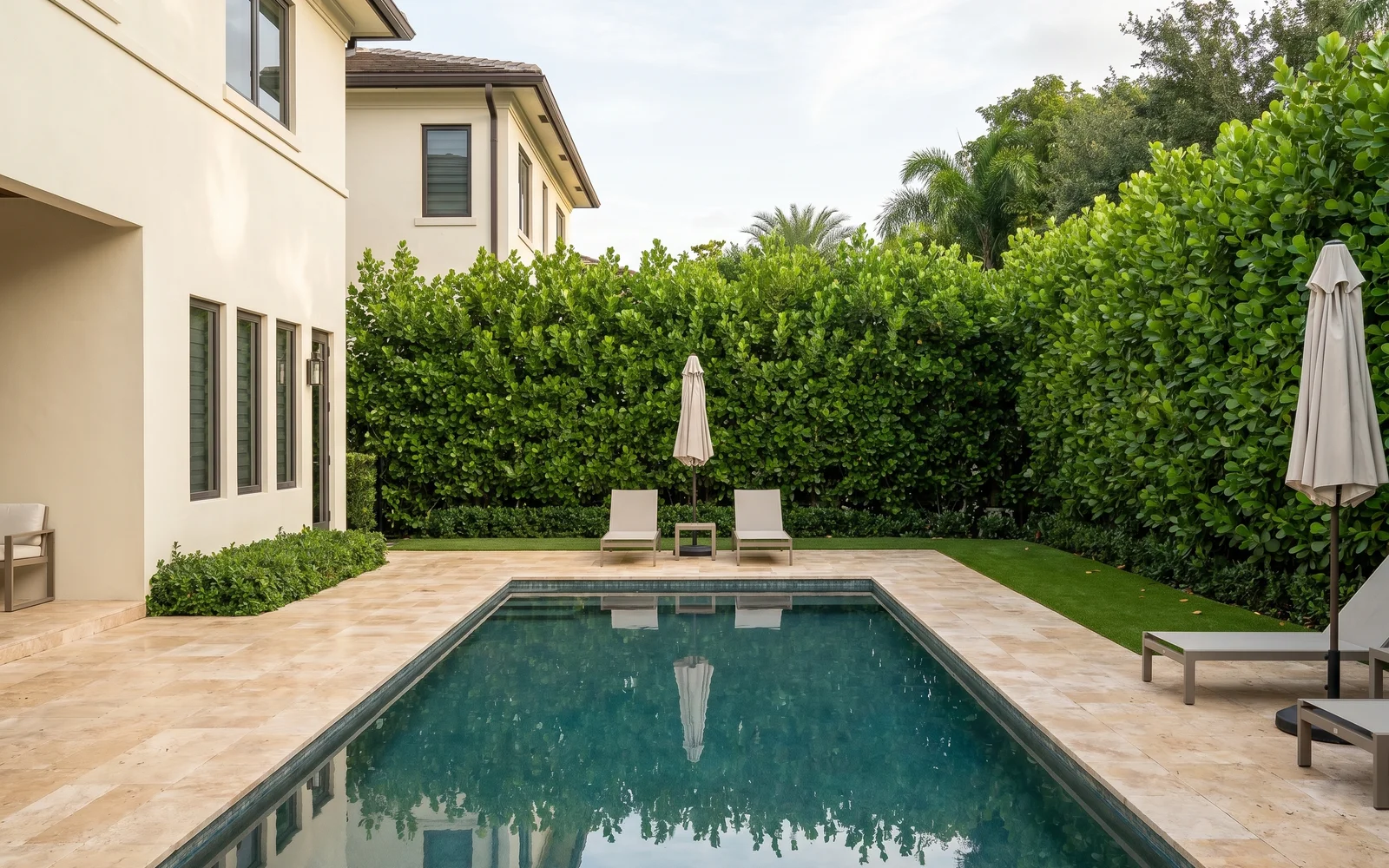
A healthy Clusia privacy hedge along a Pinecrest property that was rescued rather than replaced after being misdiagnosed by other crews.

A Pinecrest hedge everyone else wanted to rip out.

Why the right diagnosis saved an otherwise healthy run.

The Challenge

A Pinecrest homeowner called us after two landscapers quoted full replacement of a 120-foot Clusia hedge that had turned yellow across long stretches and lost density on the street-facing side. The homeowner did not want to start over and asked for a second opinion before signing a removal quote.

Our Solution

On site, we traced the yellowing to two separate issues. A section of the irrigation line had been crushed during a recent driveway repair, and the opposite end of the hedge was sitting in standing water after every rain because a grade change had blocked drainage. Neither issue was the hedge's fault. We fixed the irrigation line, regraded the drainage path, and treated the worst-affected plants with a targeted feeding program.

The Outcome

Four months later, the hedge had returned to saturated green along the full run. No plants were replaced. The homeowner spent a fraction of the replacement quote and kept the mature hedge they had already paid for. Replacement would have been the wrong call, even though two other crews were ready to sell it.

Sick hedge causes and fixes, in detail

Diagnosing a sick hedge in South Florida, properly

A hedge is a living system. When it starts to look wrong, it is telling you something about water, soil, sun, pests, or the way it was installed. The mistake most homeowners make is treating one symptom without understanding which cause produced it. This section covers the most common causes we see, how to tell them apart, and which ones are worth fixing in place.

Water problems in both directions

Too much water and too little water produce similar-looking symptoms on a Clusia or Podocarpus hedge. Yellow leaves, thinning foliage, and slow growth can all come from either side of the water balance. In sandy South Florida soil, overwatering is often more common than homeowners realize because irrigation systems are set to a generic schedule that does not account for a rainy week.

Poor drainage is the compounding factor. When a hedge sits in wet soil for too long, roots suffocate, leaves yellow, and the plant slows down. A simple drainage check, plus a look at the irrigation run times, solves a large share of sick-hedge calls without replacing a single plant.

Soil and nutrition

South Florida soil is often sandier and less fertile than homeowners expect. Clusia and Podocarpus both handle it well in healthy conditions, but a hedge that was installed into poorly prepped soil or that has been losing nutrients through constant drainage can start to show it.

Nitrogen, iron, and magnesium deficiencies produce different yellowing patterns. Overall yellowing across all leaves usually points to nitrogen. Yellowing with green veins points to iron or magnesium. Neither is a crisis on its own. Both respond to a targeted feeding program and do not require replacing the hedge.

Sun, shade, and light mismatches

When a Clusia hedge is installed in too much shade, it thins and struggles no matter how well it is watered. When a Podocarpus hedge is installed in a hot west-facing run with no reserve on water, it can scorch. Many sick hedges are simply the wrong plant for their specific site, installed without a site walk that accounted for light.

If the decline is tracking a change in canopy, like a new shade tree next to the hedge line, the problem may not be fixable with care adjustments alone. In those cases, we discuss swapping the struggling species for one that actually fits the new light conditions.

Pests and disease

Most premium South Florida privacy hedges are not especially pest-prone. Clusia has relatively few pest issues. Podocarpus is also low-pressure. The notable exception is ficus, where the ficus whitefly has made healthy ficus hedges significantly harder to maintain over the last several years. Hedges covered in sticky honeydew or black sooty mold are almost always dealing with whitefly or a close cousin.

Scale, mites, and occasional fungal issues can also show up, especially on stressed plants. Treatment is possible for any of them. Whether it is worth it depends on how much structural hedge is actually still there to save.

Install mistakes that show up later

Some sick hedges are declining because of something that went wrong years earlier. Plants installed too deep, roots that never set into the native soil, spacing that was too loose, and starter plants that were mismatched in size can all produce hedges that look fine for a season or two and then start to fail. These problems rarely fix themselves.

When an install-related issue is the cause, rescue is harder and more situational. Sometimes a subset of the hedge can be lifted, corrected, and replanted. Sometimes the faster answer is to pull the run and start over with a clean install done right. The right path depends on the specifics.

Neighboring construction and hardscape changes

A hedge that was healthy for years and suddenly started to decline is often reacting to a change near it. A new driveway cut, a pool deck expansion, a grade change, or even a nearby tree removal can alter the water and root environment enough to stress a hedge that was coasting.

We look for these changes during a site walk because the homeowner often does not connect them to the hedge. Once the cause is obvious, the fix is usually doable without replacement, and the hedge can recover with the right corrections.

When a hedge cannot be saved

Not every sick hedge is worth rescuing. A few patterns almost always point toward replacement rather than repair:

  • More than half the run has lost significant density and structure.
  • The hedge is a ficus run with sustained whitefly pressure and ongoing treatment is not realistic.
  • The plants are severely mismatched from the original install and no amount of care will even out the look.
  • The site conditions have changed in a way that no longer suits the species, and species swap is the real solution.
  • You have already spent on treatment that did not hold, and the decline is continuing.

In those cases, replacement with the right species, installed at matched sizes on correct spacing, is almost always the faster path to a finished hedge you will actually enjoy looking at. Pouring more money into a run that has already lost its structure is usually the more expensive option over time.

What a rescue actually looks like

A typical rescue starts with a site visit where we diagnose the cause, confirm with soil and irrigation checks, and lay out a plan you can see in writing. The plan usually includes adjustments to water, targeted feeding, and a small number of spot replacements for plants that are past saving. In some cases it also includes soil amendments or drainage corrections that address the underlying cause.

Most of the work happens in the first visit. The hedge then responds over the following weeks to months as the corrections take effect. We set realistic expectations up front. A hedge that was struggling for a long time will not look perfect overnight, but it will get better visibly as the root system and foliage respond.

Sick hedge questions, answered.

The questions homeowners ask most when a hedge starts turning.

Yellowing on a Clusia hedge is most often caused by overwatering in sandy South Florida soil, poor drainage, or a nutritional deficiency. Check irrigation run times, look for standing water after rain, and examine whether the yellowing is on new or old growth. A site walk usually identifies the cause within the first visit without needing to replace the hedge.

Before you replace it, let us diagnose it.

Most sick hedges can be saved. We will walk the run, find the cause, and tell you honestly whether to rescue or replace.