Plant Care
When to Plant a Privacy Hedge in South Florida
South Florida lets you plant a privacy hedge nearly year-round, but season changes the watering plan, the install pace, and how fast the hedge fills in. Here is what to expect month by month.
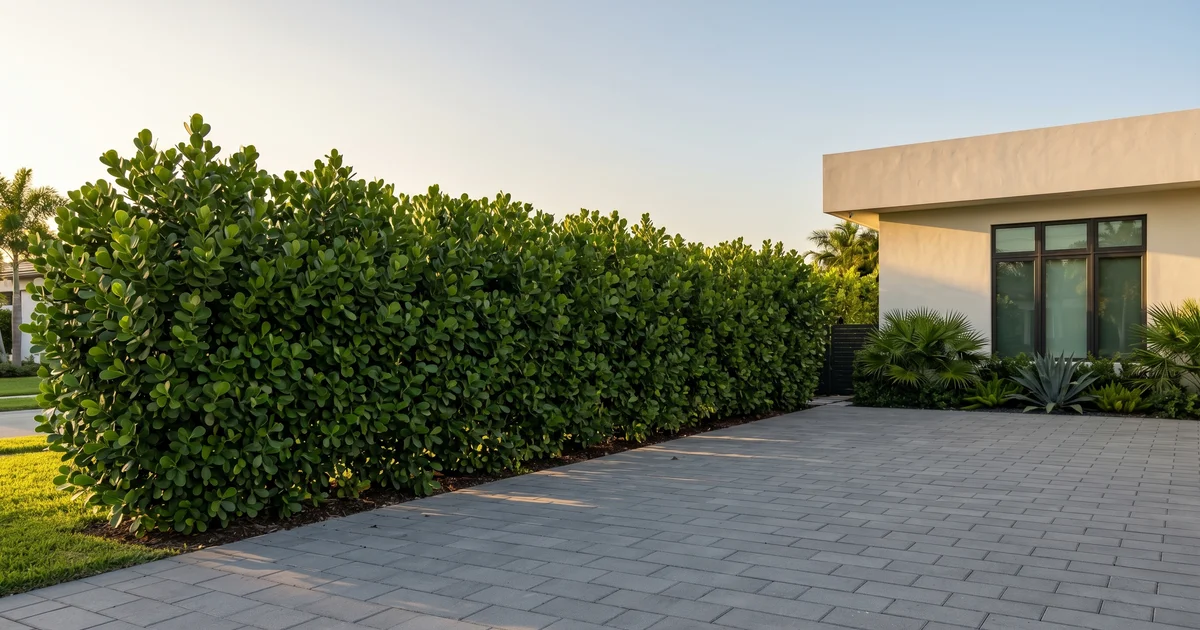
The most common question we hear from South Florida homeowners is some version of: when is the best time to plant a privacy hedge? The honest answer is that almost any month of the year works, because Miami, Fort Lauderdale, and West Palm Beach do not have a real winter. The season you pick still matters, though. It changes how often you have to water, how quickly the hedge fills in, and how much margin for error you have if a stretch of weather turns harsh.
This guide walks through the year as we actually experience it on install sites. It is meant for homeowners planning a Clusia or Podocarpus privacy hedge, but the same logic applies to most evergreen hedges suited to South Florida.
The Short Answer
A healthy, well-watered privacy hedge can be installed any month in South Florida. The two windows that take the most pressure off the homeowner are the cooler months from late October through March, and the early rainy season from late May into mid-June. Late summer and early fall installs work fine when watering is dialed in, but they leave less room for missed days.
Spacing, plant size, and post-install watering matter far more than the calendar. A premium hedge planted in August with the right plan outperforms a budget hedge planted in February that nobody waters.
How South Florida’s Climate Shapes Hedge Timing
To plan around the season, it helps to think about the year as four loose stretches rather than four sharp seasons.
Cool dry stretch (late October to March). Daytime highs sit comfortably in the 70s and low 80s. Rain is sparse, but evaporation is also low. Newly planted hedges experience minimal heat stress, and root systems have time to establish before the next summer.
Warm dry stretch (April to mid-May). Temperatures climb fast. Rain has not yet returned. New plants need consistent irrigation, but conditions are otherwise fine.
Early rainy season (late May to June). Afternoon thunderstorms return. Soil stays moist on its own. This is one of the friendliest install windows of the year because nature handles a chunk of the watering.
Peak heat and storms (July to early October). Hot, humid, and hurricane-prone. Hedges still install well here, but the watering plan and storm awareness matter more than at any other time of year.
Cool Dry Months: October to March
This is the window most homeowners imagine when they picture an ideal planting season. Daytime temperatures are mild, the sun is less intense, and a freshly installed hedge does not have to fight heat stress while it establishes.
The trade-off is rainfall. Through most of these months, rain is rare and inconsistent. Newly planted Clusia or Podocarpus still need regular irrigation, even when the air feels cool. The plants are working hard underground to push roots into native soil, and they cannot do that with a dry root ball.
A reasonable starting watering plan for a cool-month install is daily for the first one to two weeks, then tapering toward every other day, and eventually two to three times a week as roots establish. Drip lines or a simple irrigation tap-in make this much easier than dragging a hose.
For homeowners who want minimum risk, this is the calmest install window. The plants establish without strain, the install crew works in pleasant weather, and watering schedules are forgiving.
Warm Dry Months: April to Mid-May
This stretch can fool people. The air feels tropical, but the rainy season has not started yet. Soils dry out quickly, sun intensity climbs, and a hedge planted in late April will demand more attention than one planted in February.
It is still a perfectly viable install window. We plant heavily during these weeks every year. The key is committing to the watering plan from day one and not assuming a passing afternoon cloud means the hedge has been watered.
Container-grown hedge plants pulled out of nursery stock in this window have plenty of root density to establish well, but they have no margin to dry out for a full day. Set the irrigation, set the reminder, and treat the first two weeks as the most important phase of the project.
Early Rainy Season: Late May to June
If you want the season to do as much of the work as possible, this is the window. Afternoon storms return on a roughly daily rhythm. Soil moisture stays consistent. New roots push out into surrounding soil quickly because the water they need is already there.
Homeowners who plant in this stretch often see noticeable visual progress within four to six weeks. The hedge does not magically reach full height, but the plants look more settled, leaves stay glossy, and any minor transplant shock fades fast.
The catch is that rain is unevenly distributed. Some properties sit in pockets that miss storms. A new hedge still needs a backup watering plan in case three or four days pass without rain. We always set up irrigation as if the rain might not come.
Peak Heat and Storm Season: July to Early October
This is the most discussed planting window and the one most homeowners worry about. The reality is that we install hedges through these months every year, and they perform well when the plan is right.
The main considerations are heat stress, intense sun on freshly disturbed root balls, and storms. Heat stress can be managed with deeper, less frequent watering once roots start to extend. Sun stress is mostly about getting the plants in the ground without long delays during the hottest part of the day. Storms are an honest concern, mostly because young plants can lean or shift when winds hit before their roots have anchored.
For peak summer installs, we recommend:
- Irrigation set up the same day as the install
- Daily watering for the first two weeks, then tapering
- Light staking on exposed sites if a hedge runs along a windward boundary
- A planned check-in walk seven to ten days after install
Homeowners who live with their property year-round and can keep an eye on a young hedge will rarely have problems with summer installs. Out-of-town owners or seasonal residents may want to push installs to a window when they are around.
Hurricane Season Considerations
Officially, hurricane season runs from June through November in South Florida. In practice, the highest-risk weeks are usually August into early October. Active storm threats are not a reason to abandon a planting plan, but they are a reason to think about timing.
We generally avoid planting in the days immediately before a forecasted named storm. The risk is not that the plants will not handle wind. Mature Clusia and Podocarpus are very wind-tolerant. The risk is that brand new plants, with root balls that have not knit into native soil, can shift, lean, or pull free in heavy gusts.
If the forecast is calm, summer installs run fine. If a tropical system is on the board, we usually push the install by a few days. After a storm passes, conditions are often excellent for planting because soil is well-saturated and air temperatures briefly drop.
Why Spacing and Plant Size Outrank the Calendar
Homeowners often ask whether a hedge planted in February will fill in faster than one planted in July. In our experience, the answer is no. What actually controls fill-in speed is plant size at install, spacing on center, and consistent watering through the first sixty to ninety days.
A hedge installed at proper spacing with hedge-grade plants and a real watering plan will outperform a budget hedge installed at the most “ideal” time of year. We talk through these trade-offs honestly in our hedge installation cost guide and our breakdown of cheap hedge installs, because they shape the finished result far more than the season does.
If you have already chosen between Clusia and Podocarpus, our Clusia vs Podocarpus comparison covers how each species responds to South Florida’s seasonal stretches once it is in the ground.
The Practical Decision Framework
For most homeowners, the choice boils down to four questions:
- Are you home during the install window? If yes, almost any month works. If no, lean toward cooler or rainy-season installs.
- Do you have irrigation already? With irrigation, season barely matters. Without it, the cool dry stretch and early rainy season are the most forgiving.
- How urgent is the privacy? If you need a finished look as soon as possible, do not wait for an “ideal” month. A larger plant size at install matters more than waiting.
- What does the weather forecast actually look like? A calm two-week stretch in August is friendlier to new plants than a windy, dry week in November.
When to Avoid Planting
There are very few weeks in South Florida where we will not plant. The short list:
- The 24 to 72 hours before a forecasted named tropical storm or hurricane
- Stretches of unusually low overnight temperatures, mostly relevant for borderline cold-sensitive species
- Drought emergencies where local watering restrictions would prevent proper post-install care
Outside of those situations, the rest of the year is fair game for a properly installed privacy hedge.
How We Schedule Installs Through the Year
In a typical year, our calendar fills heaviest from October through May, when homeowners want a finished hedge ready before guests arrive or before the next summer’s pool season. Summer installs are quieter on the calendar but easier to schedule on short notice. We adjust the watering plan and crew workflow for whatever month the install lands in, so the homeowner does not have to worry about it.
If you are deciding between booking now or waiting for a “better” month, the most useful question is whether the next available install slot fits your timeline. Six months of waiting is six months without privacy. A correctly installed hedge in May, July, or November will all reach the same finished result.
Frequently Asked Questions
Is winter really a better time to plant in South Florida? Winter is the calmest install window because of mild temperatures and low evaporation, but it is not dramatically better than other seasons. A summer hedge with the right watering plan reaches the same finished look. Pick the season that fits your schedule, not the calendar.
Can I plant a privacy hedge during the rainy season? Yes. Late May through June is one of our favorite install windows. Afternoon storms keep the soil consistently moist, which helps new roots establish faster. We still set up irrigation in case storms skip your property for a few days.
How long after planting before a hedge looks “done”? With premium hedge-grade plants and proper spacing, most Clusia hedges read as a continuous wall within twelve to eighteen months. Podocarpus typically takes a similar window. Plant size at install is the biggest variable. Larger plants close up faster.
Do hurricanes damage newly planted hedges? Mature Clusia and Podocarpus tolerate wind well. The vulnerable window is the first sixty to ninety days, when roots have not anchored. We avoid planting immediately before a forecasted named storm and use light staking on exposed sites during peak storm weeks.
Will summer heat stress new hedges? Heat itself is not the problem. Inconsistent watering is. A summer install with daily watering for the first two weeks, then a tapered schedule, performs as well as a winter install. Irrigation is the difference between an easy summer planting and a stressful one.
Should I wait for cooler weather if I do not have irrigation? If you cannot reliably water a new hedge through the first four to six weeks, the cool dry stretch from October to March is more forgiving. Even then, you will still need to hand-water on dry weeks. Setting up basic drip irrigation is usually a better investment than waiting.
Is there a worst time to plant a privacy hedge in South Florida? The only stretches we actively avoid are the days immediately before a forecasted hurricane and any window where local drought restrictions would prevent proper post-install watering. Outside those windows, every month is workable.
Does planting season affect how I should care for the hedge long-term? Long-term care is the same regardless of when you planted. The first sixty to ninety days are where seasonal differences matter. Once the hedge has rooted out, it follows the same year-round care pattern.
Ready to Plan Your Install
If you are weighing whether to plant now or wait, the most useful next step is a free quote on your specific yard. We will walk the property, recommend Clusia or Podocarpus based on the conditions, and give an honest read on the best install window for your situation.
Request a free quote or call us at 305-222-7171. We serve Miami, Fort Lauderdale, West Palm Beach, and the broader South Florida region year-round.
Tagged
- when to plant a hedge
- privacy hedge season
- South Florida planting
- Clusia hedge care
- Podocarpus hedge care
Ready for a privacy hedge that looks finished from day one?
Get a free estimate from a South Florida specialist who handles delivery, installation, and the result you actually want.